











Popularnonaukowa

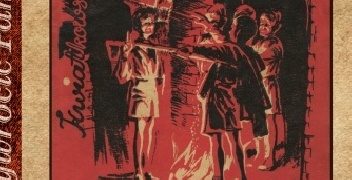
Leszek Kania – Służba sprawiedliwości w Wojsku Polskim 1795-1945
Publikacja jest obszerną monografią poświęconą problematyce funkcjonowania wymiaru sprawiedliwości w polskich formacjach wojskowych od końca XVIII po połowę wieku XX....
Read more
Michael Pollan – How to Change Your Mind. What the New Science of Psychedelics Teaches Us about Consciousness, Dying, Addiction, Depression, and Transcendence
When LSD was first discovered in the 1940s, it seemed to researchers, scientists and doctors as if the world might...
Read more

Jakub Szczepaniak – Przechytrzyć MURPHY’EGO czyli matematyka na co dzień
próbujemy wprowadzić trochę matematyki do bitwy na pomidory. Umawiamy się, że uczestnicy stoją w miejscu i nie ma dwóch różnych...
Read more
Richard O. Prum – Ewolucja piękna. Jak darwinowska teoria wyboru partnera kształtuje świat zwierząt i nas samych
Najlepsza książka popularnonaukowa roku według „New York Times” i „Wall Street Journal”.
Read more
Natale Benazzi, Gian Franco Freguglia – INKWIZYTOR Przesłuchania, wspomnienia, procesy
Kolejna książka Natale Benazziego, napisana we współpracy z Gian Franco Freguglią dotycząca `Czarnej karty Kościoła` - inkwizycji. Przeplatają się w...
Read moreDianne Collins – Do You QuantumThink?: New Thinking That Will Rock Your World
The world is changing at a dizzying pace. We're all looking for new ways of thinking that can bring about...
Read more

Polecane
Anna Dąbrowska – Zanim zniknę
Ta historia udowadnia, że kochać powinno się sercem, a nie oczami!
Joanna Pettersson – Rozbita tarcza
Sygnet z jednorożcem w rodowym herbie – to wszystko, co odziedziczył sir Richard Northbridge. Sir Ian Sleighstone, poza herbem i...