








Steven M. Fish – Are Muslims distinctive? A look at the evidence
"Are Muslims Distinctive?" represents the first major scientific effort to assess how Muslims and non-Muslims differ--and do not differ--in the ...

"Are Muslims Distinctive?" represents the first major scientific effort to assess how Muslims and non-Muslims differ--and do not differ--in the ...

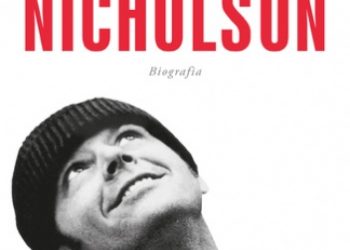
Biografia legendarny kina, Jacka Nicholsona.

Pierwsza publikacja z serii Biblioteka Historyczna Instytutu Lotnictwa. Książka powstała dla uczczenia 100 rocznicy urodzin Profesora Tadeusza Sołtyka. Przedstawia wizję ...

This book offers the most important and practical concepts known to me in the fewest number of pages, written to ...
For most people, the act of killing is intangible. Unfathomable.
Zbiór dowcipów na różne okazje, zestawionych w niemal 30 grupach tematycznych. Autorzy wyboru przytaczają tu typowe dla Polaków sytuacje komiczne,...
Wiem, że to co robię, jest złe. Ale nie umiem się powstrzymać.