







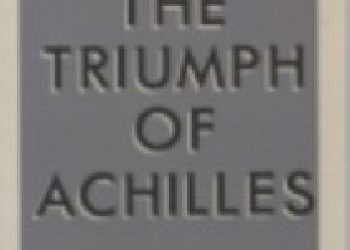
Louise Glück – The Triumph of Achilles
From the opening line ("It is not the moon, I tell you") Gluck claims absolute control of subject, craft, and ...

"Baśnie polskie" to zbiór pięknych opowieści zebranych w wyjątkowym tomie. Znajdziemy tutaj opowieści między innymi: Jana Kasprowicza, Janusza Korczaka, Ewy...
Relacje zawarte w tomie dotyczą okresu od września 1939 do lipca 1944 r. Jego motywem przewodnim pozostaje temat egzekucji, które...
From the opening line („It is not the moon, I tell you”) Gluck claims absolute control of subject, craft, and perception. We see what we are instructed to see; we understand what Gluck insists we understand. Gluck’s sensitivity to emotional nuance is extreme: „I ask you, how much beauty/ can a person bear? It is/ heavier than ugliness, even the burden/ of emptiness is nothing beside it.” Her genius lies in her passionate restraint, a mingling of plain and elevated diction, a reliance on indirection and understatement. Resolution and revelation arise from the stately balance of poems which demand order from anarchy: „Why love what you will lose?/ There is nothing else to love.” Gluck is foremost among her generation of poets and no collection should be without all four of her full-length books.